Seven Questions That Reveal the Executive Behind the Interview Smile

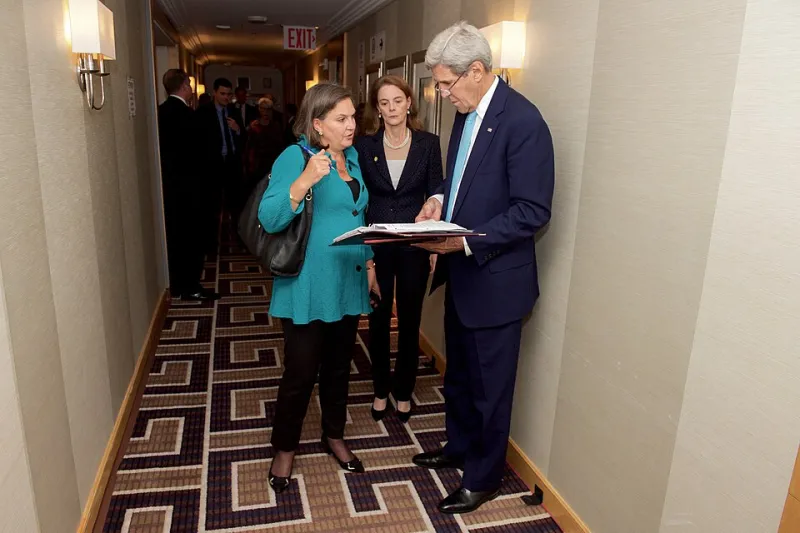
Photo: Joi Ito from Inbamura, Japan, CC BY 2.0, via Wikimedia Commons
No other professional is vetted as thoroughly for a role while being told so little about the actual conditions of the job. Executive assistant candidates routinely endure four rounds of interviews, skills assessments, and reference checks — yet walk away knowing the company's mission statement and nothing about whether the executive they'll support answers emails at 2:00 a.m. and expects the same.
That asymmetry is expensive. A bad executive match doesn't just make you unhappy; it resets your career, burns references, and can cost a year of momentum. The remedy is to treat the interview as your due diligence, not just theirs.
Question One: "Walk Me Through Where Your Last Two Assistants Went Next."
This is the single highest-signal question available. You're not asking why they left — you're asking about trajectory. A strong executive answers easily: "Sarah moved into a chief of staff role," "Marcus got promoted to operations at another division."
Hesitation, vagueness, or a story about "mutual decisions to part ways" on both counts suggests a pattern. One departure is circumstance. Two is data.
Question Two: "What Does a Typical Tuesday Look Like for You?"
You're listening for two things: whether they actually know how they spend their time (an executive with no visibility into their own calendar will be a nightmare to support), and whether the answer includes anything that suggests respect for boundaries. "I usually wrap up around six" is reassuring. "Honestly, I'm always on" — delivered with a laugh — is a preview of your future.
Question Three: "When Something Urgent Comes Up After Hours, What's Your Protocol?"
The word "protocol" matters. It assumes a system exists. Executives who have one will describe it happily: a call for true emergencies, email for everything else, defined response windows. Executives who say "oh, we just figure it out as we go" are telling you they've never had to accommodate another person's time. That's not flexibility. That's a job where the assistant's hours are whatever the executive's hours are.
Question Four: "How Do You Prefer to Receive Disagreement?"
Every EA eventually needs to push back — on an impossible timeline, a risky decision, a calendar that will collapse. The answer to this question reveals whether that pushback is survivable.
Strong answers are specific: "Directly, in writing, before the decision — not after." Weak answers are defensive: "I'm pretty open, but ultimately I make the call." The second isn't disqualifying on its own, but paired with other red flags, it completes a picture.
Question Five: "What's Something Your Assistant Does That You Couldn't Do Yourself?"
This question tests respect. An executive who values their EA will answer with genuine specifics — the vendor relationships, the political radar, the ability to read a room. An executive who shrugs and says "honestly, everything" either doesn't know what their assistant does or doesn't think it matters. Both should worry you.
Question Six: "If I Asked Your Team What You're Like to Work For, What Would They Say?"
Watch for the pause. Everyone knows their reputation. A self-aware executive gives you the unflattering truth with a plan attached: "They'd say I'm impatient in the afternoons — my last assistant learned to schedule my harder conversations before lunch." An executive who insists they have no weaknesses, or who turns the question into a joke without substance, is telling you how feedback will be received later.
Question Seven: "What Happened to the Person Who Held This Role Before Me?"
The direct version of question one, and worth asking even if you've already asked the softer version. Contradictions between the two answers are themselves a finding.
Reading Between the Lines
Beyond the answers, attend to the process itself:
- Rescheduled interviews, late starts, distracted interviewing. If you don't get their attention when they're trying to recruit you, you won't get it when they've already got you.
- "We need someone who's flexible." In EA job postings, this phrase translates, more often than not, to available evenings and weekends.
- "We're like a family here." Frequently a euphemism for blurred boundaries and guilt-based retention.
- High praise for a predecessor who "left suddenly." Ask what they're doing now. LinkedIn will tell you.
Doing Your Quiet Homework
Before accepting any offer, spend an evening on diligence. Search LinkedIn for the executive's former assistants and note their tenure — twelve months or less at multiple stops is a pattern. Message one or two; most former EAs will give an honest, careful answer to a respectful inquiry. On Glassdoor, skip the overall rating and search reviews for the executive's name or department. One bitter review means little. Five mentioning the same person is a map of the minefield.
You're Interviewing Too
The most successful senior EAs carry themselves with the understanding that the interview is a mutual evaluation — and they negotiate accordingly. Asking rigorous questions doesn't cost you offers; in the current market, it signals exactly the kind of strategic, prepared professional that serious executives want beside them. And for the executives who are annoyed by the questions? You've just received the most valuable answer of all.